5 Best Instant Cameras: Instax, Polaroid, Kodak & Leica
We compared 5 current instant cameras from Fujifilm, Polaroid, Kodak, and Leica, including the key analog-vs-hybrid tradeoff most buying guides skip.
Quick answer
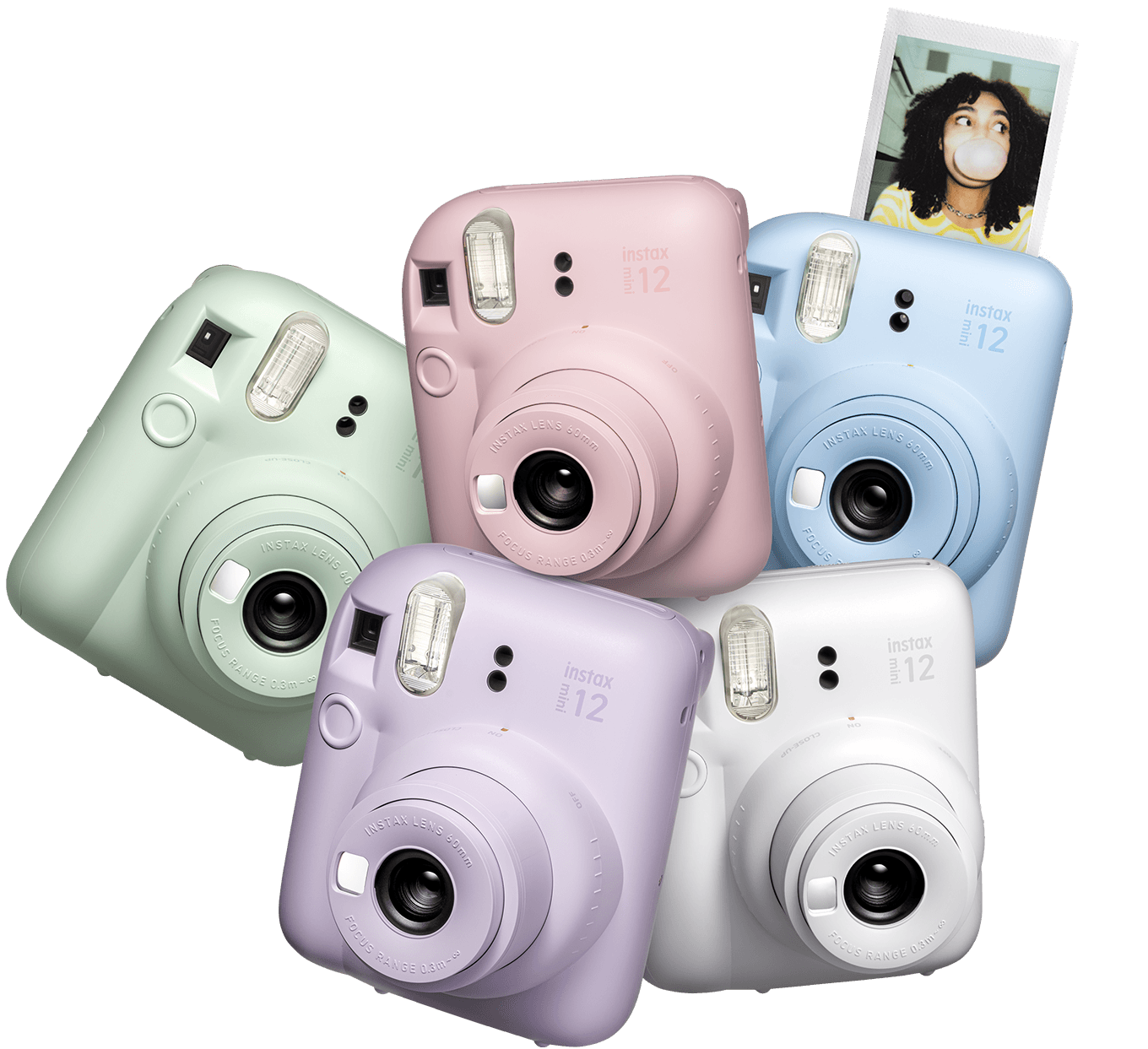
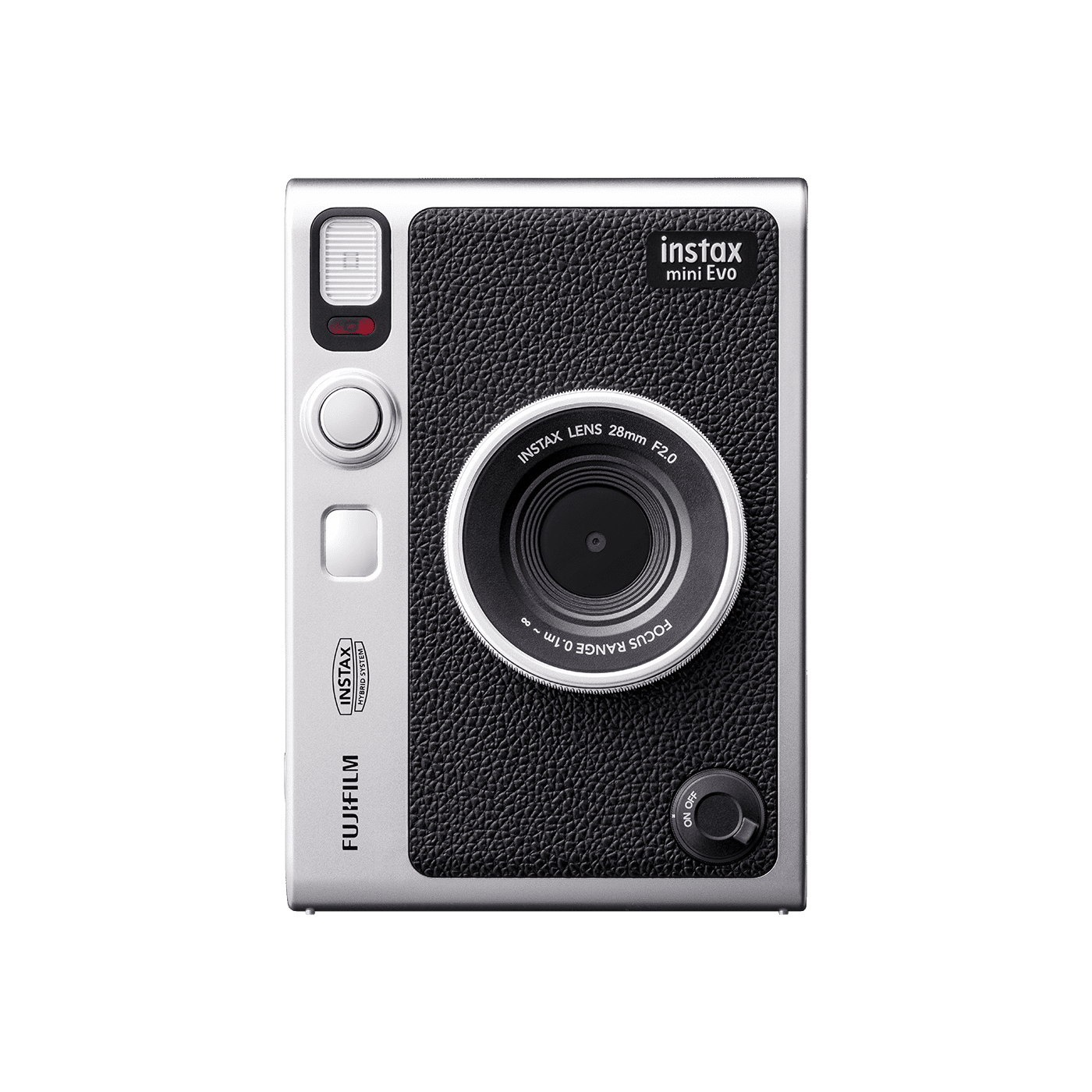
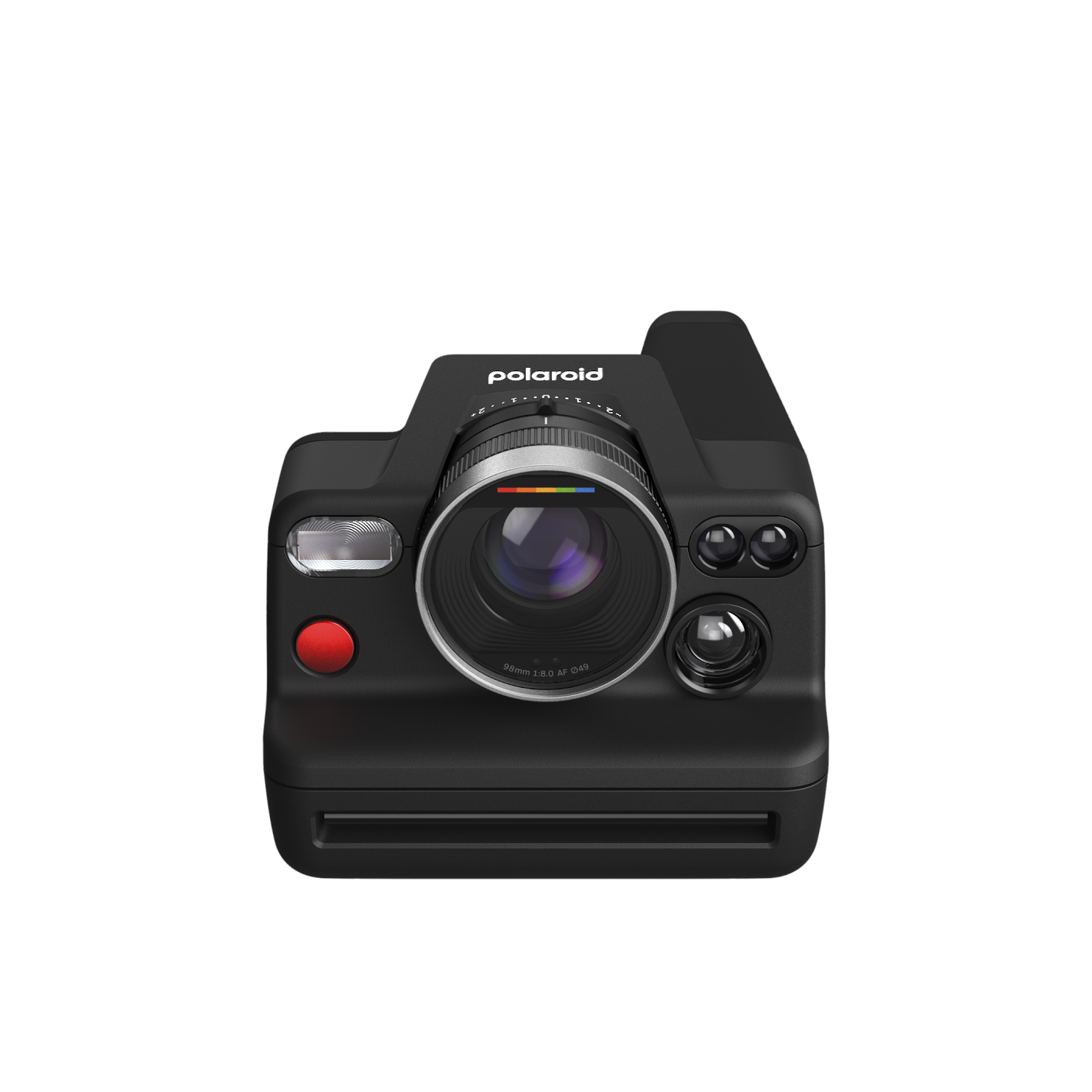
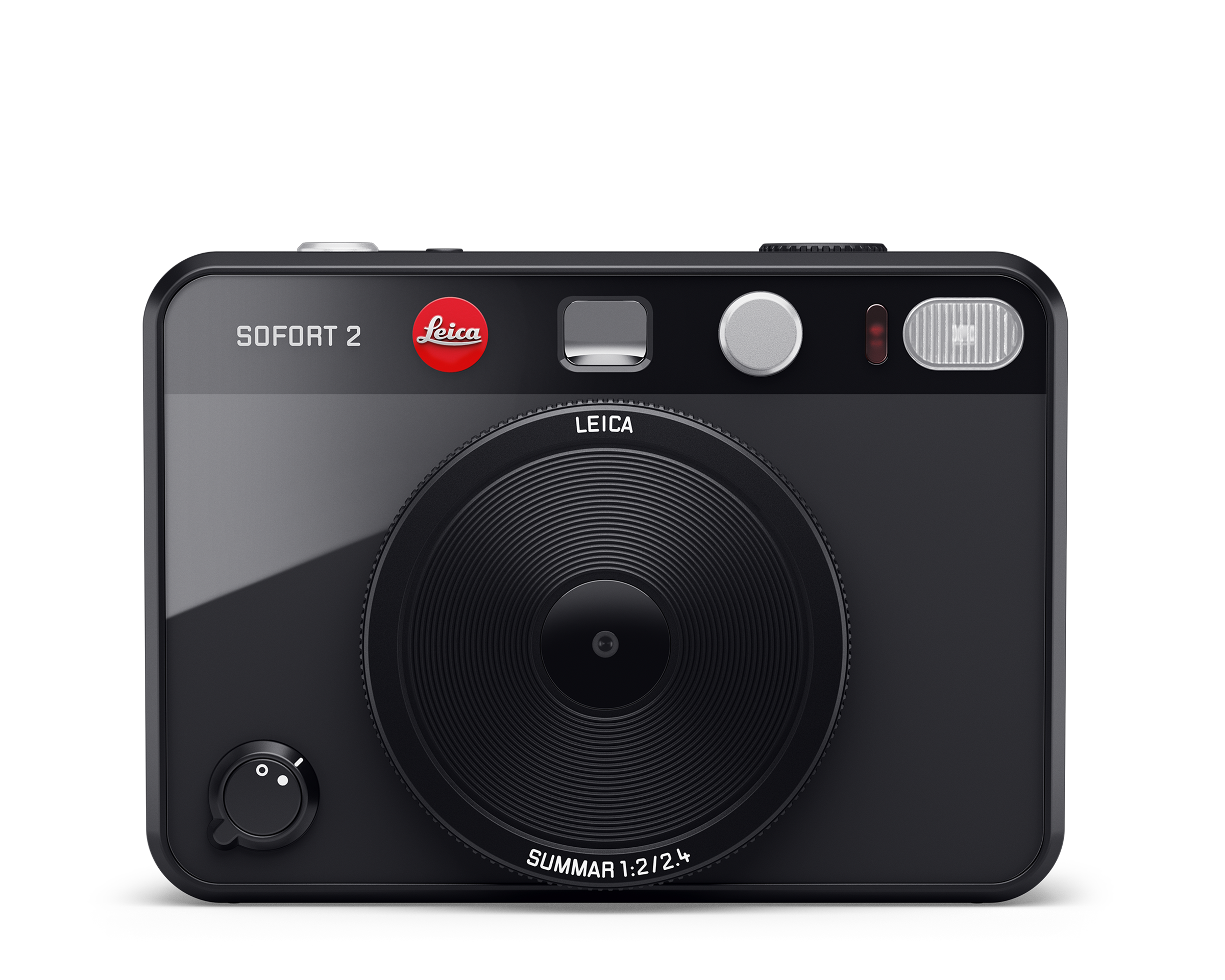
If you just want cheap, simple, real instant film, the Fujifilm Instax Mini 12 is the easy starting point. If you want to edit a shot before you commit film to it, the Fujifilm Instax Mini Evo and Kodak Mini Shot 3 Retro are 'hybrid' cameras that print a digital photo rather than exposing film directly, and the Kodak is the cheapest to keep feeding. Buyers who want a true analog camera with manual controls and autofocus should look at the Polaroid I-2, a serious (and seriously priced) step up. The Leica Sofort 2 rounds out the list as a hybrid camera like the Instax Evo, built around the same Instax Mini print format, but sold at a Leica-branded premium worth going in with eyes open about.
Updated September 2026Advertising DisclosureTop Relevant
✓Carefully researchedProduct data reviewed
◇Independent picksClear comparison criteria
▣Practical resultsBuilt around real use cases
$Price & valueFeatures compared clearly
Buyer checklist
How We Compared These 5 Instant Cameras That Make Printed Photos Fun Again
This is a desk research roundup, not a hands-on test: nobody on our team shot a roll through any of these cameras. We built the comparison from each manufacturer's own product and specification pages, verified that every camera has a real, current listing on Amazon.com with a working ASIN, and cross-checked contested specs (lens focal length, battery type, film cost) against multiple sources rather than repeating a single retailer's marketing copy. Where sources disagreed, we say so instead of quietly picking the flattering number. Because film and printer cartridge pricing changes often and varies by bundle size, treat the per-shot cost figures below as directional, not exact quotes, and check the current Amazon listing for what's actually included before buying.
5 Instant Cameras That Make Printed Photos Fun Again Buying Questions
What's the difference between an analog instant camera and a 'hybrid' one?
An analog camera like the Instax Mini 12 or Polaroid I-2 exposes actual instant film the moment you press the shutter, the same way instant cameras have worked since the 1970s: no do-overs, no editing, what comes out of the slot is the shot you took. A hybrid camera like the Instax Mini Evo, Kodak Mini Shot 3 Retro, or Leica Sofort 2 takes a digital photo first, shows it to you on a screen or lets you apply filters, and only prints it onto instant-style paper once you choose to. Hybrids give you editing flexibility and no wasted film on bad shots, but the print is a digital reproduction, not a direct film exposure, and image quality depends on the camera's small digital sensor rather than the film's own chemistry.
Can I use any brand's film in any of these cameras?
No, and this trips people up. The Instax Mini 12 and Instax Mini Evo take Fujifilm Instax Mini film, and the Leica Sofort 2 also prints onto Instax Mini format film. The Polaroid I-2 uses Polaroid's own i-Type, 600, or SX-70 film, which is a different, larger format and is not interchangeable with Instax film. The Kodak Mini Shot 3 Retro is different again: it uses Kodak's own 4PASS dye-sublimation cartridges, which are photo paper, not light-sensitive instant film, so it isn't compatible with either Instax or Polaroid media.
Which one is cheapest to actually own, not just to buy?
The camera price is only part of the cost. Instax Mini film generally runs in the ballpark of $0.80 to $1.20 per shot depending on pack size, and that applies to both Instax cameras and the Leica Sofort 2 since it prints on the same film format. Kodak's dye-sublimation cartridges have been reported at roughly $0.30 per print, the cheapest ongoing cost on this list, and the Kodak also lets you cancel a print before it commits paper, so you don't pay for photos you don't want. Polaroid film is the priciest to feed, commonly cited around $1.50 to $2.50 per shot for i-Type packs. Factor in how many prints you'll realistically make before picking a camera on sticker price alone.