Best Rooftop Cargo Boxes 2026: Thule vs Yakima vs INNO
5 rooftop cargo boxes compared on real capacity, crossbar fit, and weight limits: Thule Force 3 & Motion 3, Yakima CBX 18 & SkyBox NX 18, and INNO Wedge Plus.
Quick answer
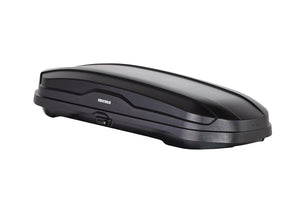
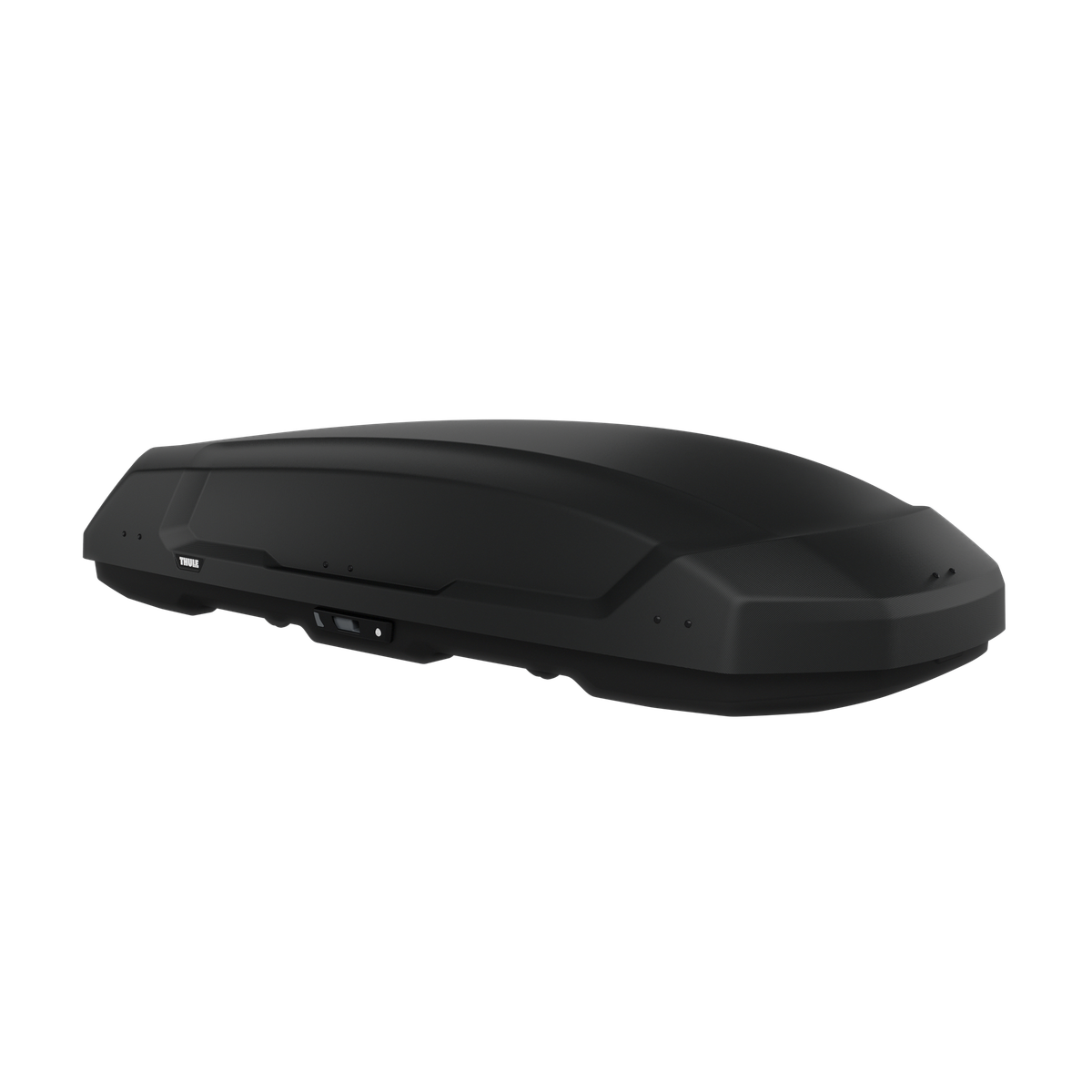
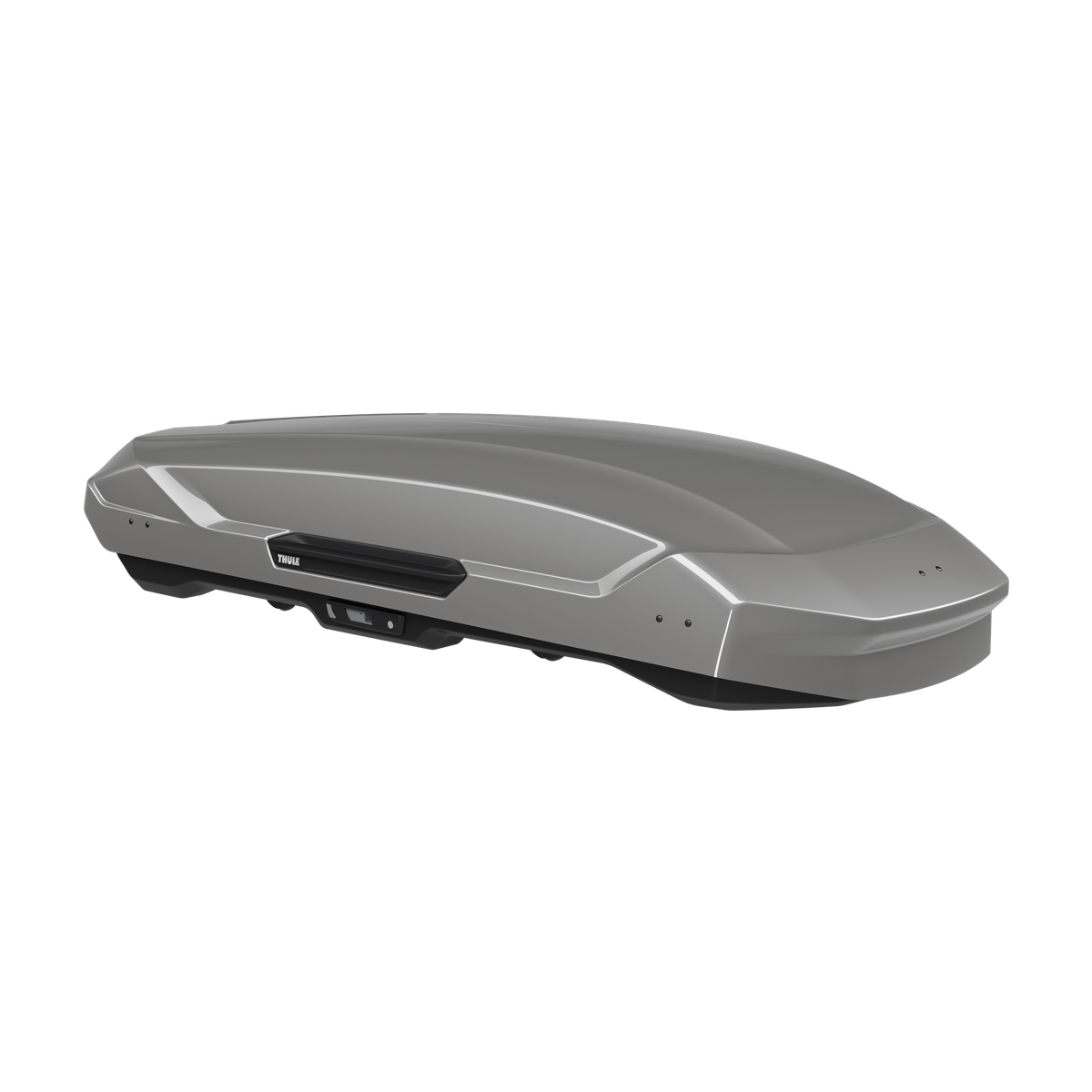
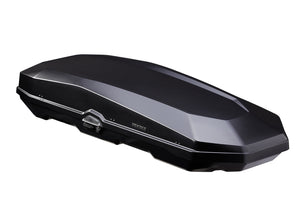
For most shoppers, the Yakima SkyBox NX 18 is the strongest all-around pick: it matches the 18-cubic-foot capacity of the two Thule boxes here, weighs 12 lbs less than Yakima's own CBX 18, and Yakima states it fits round, square, wing, and most factory crossbars rather than being built primarily around one brand's own bar shapes. If you're already running Thule WingBar, AeroBlade, or SquareBar Evo crossbars, the Thule Force 3 XL is the better call since fit is guaranteed out of the box and its SlideLock hardware auto-locks with a visual confirmation indicator, a genuinely useful detail when you're loading gear in a hurry. The Thule Motion 3 XL adds more aggressive aero styling for roughly $220 more than the Force 3 XL despite near-identical usable volume, so it's a styling upgrade more than a functional one. Buyers with a compact car, wagon, or EV that doesn't need family-of-five capacity should look at the smaller, lighter INNO Wedge Plus instead of downsizing within the Thule or Yakima 18-cubic-foot boxes.
Updated September 2026Advertising DisclosureTop Relevant
✓Carefully researchedProduct data reviewed
◇Independent picksClear comparison criteria
▣Practical resultsBuilt around real use cases
$Price & valueFeatures compared clearly
Buyer checklist
How We Compared These The Best Rooftop Cargo Boxes for Road Trips, Ski Gear, and Everyday Overflow
We pulled capacity, weight, load rating, crossbar compatibility, and locking-system details directly from each manufacturer's current product pages, cross-checked against the exact Amazon listings that carry a real ASIN, and verified category-wide claims (fuel economy impact, static vs. dynamic roof load limits, crossbar shape confusion) against independent sources like Consumer Reports and Yakima's own support documentation. We did not conduct hands-on testing of these five boxes ourselves, and we flag it explicitly anywhere a manufacturer claim (aerodynamic shaping, noise reduction, shell strength) isn't backed by independent lab data found in this research.
The Best Rooftop Cargo Boxes for Road Trips, Ski Gear, and Everyday Overflow Buying Questions
Does a rooftop cargo box actually hurt gas mileage?
Yes, measurably. Consumer Reports tested a 2019 Nissan Altima at 65 mph and found a bare roof rack alone cut fuel economy by about 11% (5 mpg), and adding a rooftop cargo box on top of the rack dropped it 19% total (9 mpg) versus a clean roof. Independent estimates across outlets generally put the highway-speed penalty at roughly 10-25%+ depending on the vehicle's shape, box shape, and speed, since aerodynamic drag rises with the square of velocity. Manufacturer 'aerodynamic' and 'noise-reducing' shape claims (like Thule's on the Force 3 and Motion 3) may reduce the penalty somewhat, but no independent decibel or mpg testing confirming the size of that reduction for the specific boxes in this guide was found, and the smart move for most people is to remove the box when it's empty rather than trust shape alone to erase the fuel hit.
How do I know if a cargo box will actually fit my roof rack or crossbars?
Check two things independently: crossbar shape (round, square/rectangular, or aerodynamic/wing) and crossbar spread (the center-to-center or edge-to-edge distance between your front and rear bars, in inches). Every box in this guide lists a spread range (roughly 24-40 in depending on the model), and going outside that range is a real, common reason for returns. Brand-name matching is not enough on its own: Thule's Force 3 and Motion 3 are built around Thule's own bar systems (WingBar Evo, AeroBlade, SquareBar Evo, ProBar Evo) and Thule's own documentation says non-Thule bars often work but aren't guaranteed without checking dimensions against Thule's fit guide, while Yakima's CBX 18 and SkyBox NX 18 explicitly list compatibility with round bars (including Yakima's own RoundBar) in addition to square and factory bars. If your vehicle has factory-installed crossbars, measure their shape and spread yourself rather than assuming any 'universal fit' claim covers your exact setup.
Is there a real difference between a cargo box's own weight rating and what my vehicle's roof can actually support?
Yes, and it's the single most misunderstood spec in this category. Every box here is rated for roughly 110-165 lbs of dynamic load (weight while driving), but that number describes what the box itself can structurally hold, not what your vehicle's roof is rated to carry. Vehicle manufacturers publish a separate dynamic roof-load rating (in the owner's manual) that already has to account for the crossbars, the box's own empty weight, and your cargo combined, and that vehicle-side number is very often lower than the box's stated capacity. Practically: take your vehicle's dynamic roof rating, subtract your rack's weight and the empty box's weight (44-65 lbs across the boxes in this guide), and whatever's left is your real usable cargo weight, which is usually less than the box's printed 110-165 lb rating.