5 Best Electric Lawn Mowers 2026 (Quieter, No Gas)
5 battery-powered lawn mowers that skip the gas, oil, and pull-cord for a quieter cut. We checked specs, Amazon listings, and safety recalls before picking these.
Quick answer
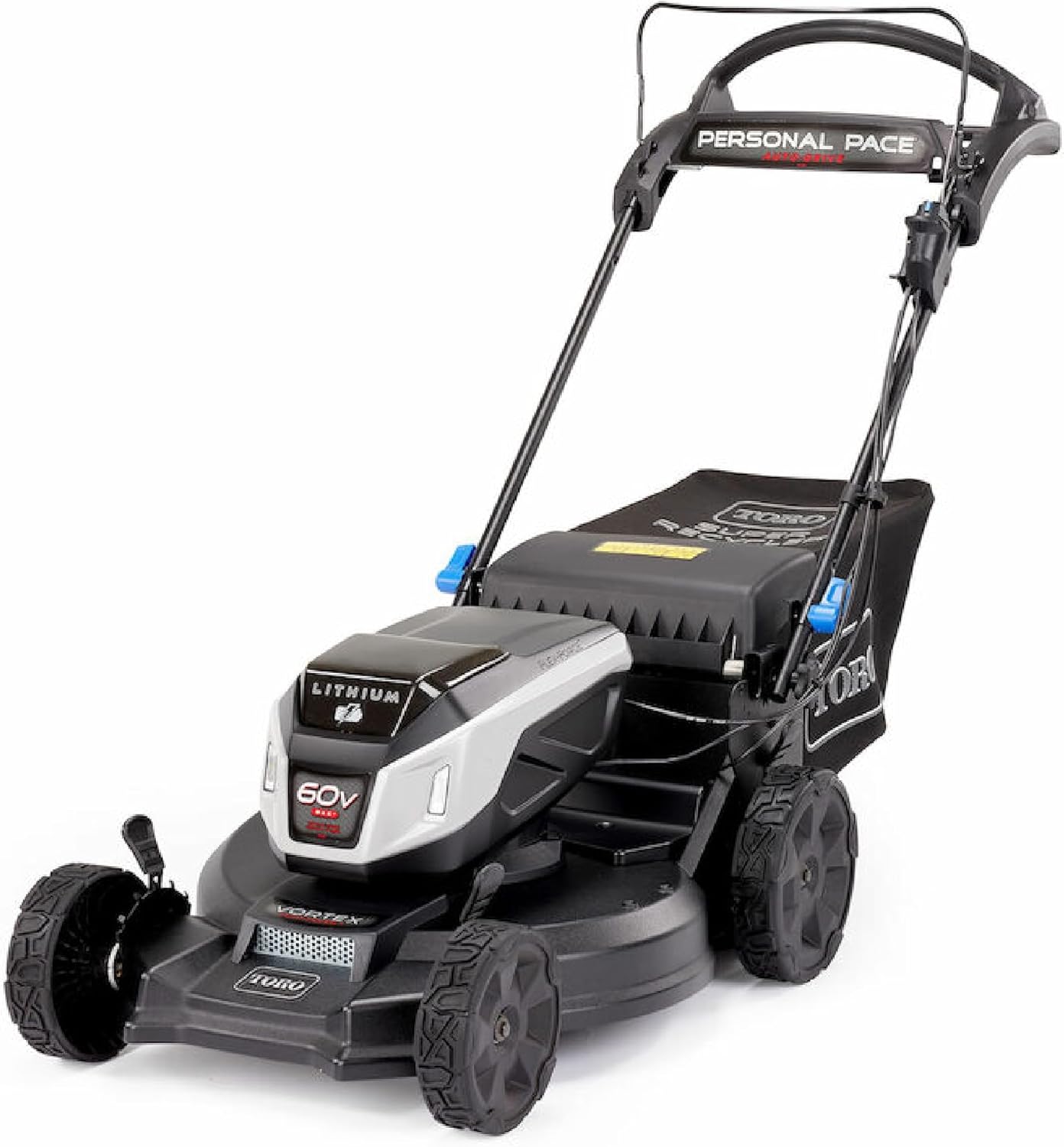
If you want the most polished all-around cordless mower, the EGO Power+ LM2156SP pairs a proven 56V platform with a self-propelled drive and a big enough battery to finish a typical quarter-acre lawn on one charge. Want a heavier-duty option with dual removable batteries, the DEWALT DCMWSP255Y2 self-propelled mower is the pick, especially if you already own DEWALT 20V MAX tools. Smaller budget or a tighter yard, the Greenworks 80V self-propelled mower with LED headlights covers the basics well. Toro loyalists who already have a 60V Flex-Force battery should look at the Super Recycler with Personal Pace, and anyone wanting a commercial-grade build with hot-swappable batteries should consider the Makita XML08PT1. Two of the original five candidates for this guide did not make the final cut for reasons explained below — read the substitution notes before you buy.
Updated September 2026Advertising DisclosureTop Relevant
✓Carefully researchedProduct data reviewed
◇Independent picksClear comparison criteria
▣Practical resultsBuilt around real use cases
$Price & valueFeatures compared clearly
Buyer checklist
How We Compared These 5 Electric Lawn Mowers for Quieter, Lower-Maintenance Yard Work
This is desk research, not a hands-on test. We did not mow lawns with any of these machines. What we did do: pulled each manufacturer's own spec sheet (deck width, drive type, battery voltage and amp-hours, runtime claims, weight), cross-checked those specs against the actual Amazon listing for the exact SKU we're recommending, and confirmed each listing is a real, currently active product page with a legitimate Amazon ASIN, a matching product image, and current in-stock pricing at the time of writing. We also ran every brand and model through a U.S. Consumer Product Safety Commission (CPSC) recall check, because a fire or laceration recall is the kind of thing that should change a recommendation immediately, not get buried in a footnote. Two of the five original candidates on our shortlist failed that process and were swapped out; we explain exactly why under each affected product below rather than quietly hiding the change. Prices and stock on cordless outdoor power equipment move fast, so treat any pricing you see on the linked listings as a snapshot, not a guarantee, and always confirm current specs (especially whether a battery and charger are actually included) on the listing before buying.
5 Electric Lawn Mowers for Quieter, Lower-Maintenance Yard Work Buying Questions
Is a battery-powered mower actually strong enough to replace a gas mower?
For the average residential lawn (under half an acre, mowed weekly so grass doesn't get overgrown), yes. Modern brushless motors on 40V-and-up platforms comfortably handle typical grass in mulching, bagging, or side-discharge mode. Where cordless mowers still struggle is thick, tall, or wet grass over larger areas in one continuous session, since you're limited by battery runtime rather than a gas tank. If your lot is over an acre, plan on owning at least one spare battery.
What's the real difference between self-propelled and push electric mowers?
A self-propelled mower drives its own wheels once you engage the drive bail, so you're guiding it rather than pushing its full weight, which matters more than people expect once a battery pack adds several pounds to the deck. A push mower relies entirely on you for forward motion. Self-propelled models cost more and typically weigh more, but they're noticeably easier on slopes and for anyone who mows regularly. All five mowers in this guide are self-propelled except where a listing specifically ships as battery/charger-not-included tool-only.
Is it safe to mow wet grass with an electric mower?
Manufacturers across every brand in this guide advise against mowing wet grass, and not primarily for electrical-safety reasons (these mowers are built to handle rain exposure) — wet clippings clog the deck and discharge chute, clumping instead of mulching or bagging cleanly, and wet grass is more slippery underfoot on any incline. Let the lawn dry before mowing for a cleaner cut and less maintenance afterward.
Do these mowers have a blade-stop safety feature?
Yes — every mower here uses a spring-loaded safety bail (the handle you squeeze and hold against the upper handlebar to run the mower). Release your grip and the blade stops within seconds, per the ANSI/OPEI safety standard that governs walk-behind mower design in the U.S. Never disable, tape down, or bypass this bail for any reason, including bagging debris or clearing a clog — always power off and wait for the blade to fully stop first.
Why does this guide list different products than some of the original candidates?
We start every guide with a candidate list, but we verify each one before publishing rather than assuming it's still the right pick. In this case, one candidate (the Ryobi 40V HP Brushless mower) is the exact model line covered by an active February 2025 CPSC fire-hazard recall, and another (the Milwaukee M18 FUEL mower) isn't sold by Milwaukee's authorized Amazon channel at all — Milwaukee doesn't sell through Amazon, so any Milwaukee listing there comes from an unauthorized third-party reseller. We swapped both out for verified, currently-authorized alternatives and explain the reasoning in each product's write-up below.