Best Yoga Mats for Grip, Cushioning and Stability
We compared verified specs on five current yoga mats, from a 6mm PVC studio mat to an eco natural-rubber pick, to help you weigh grip, cushioning and stability.
Quick answer
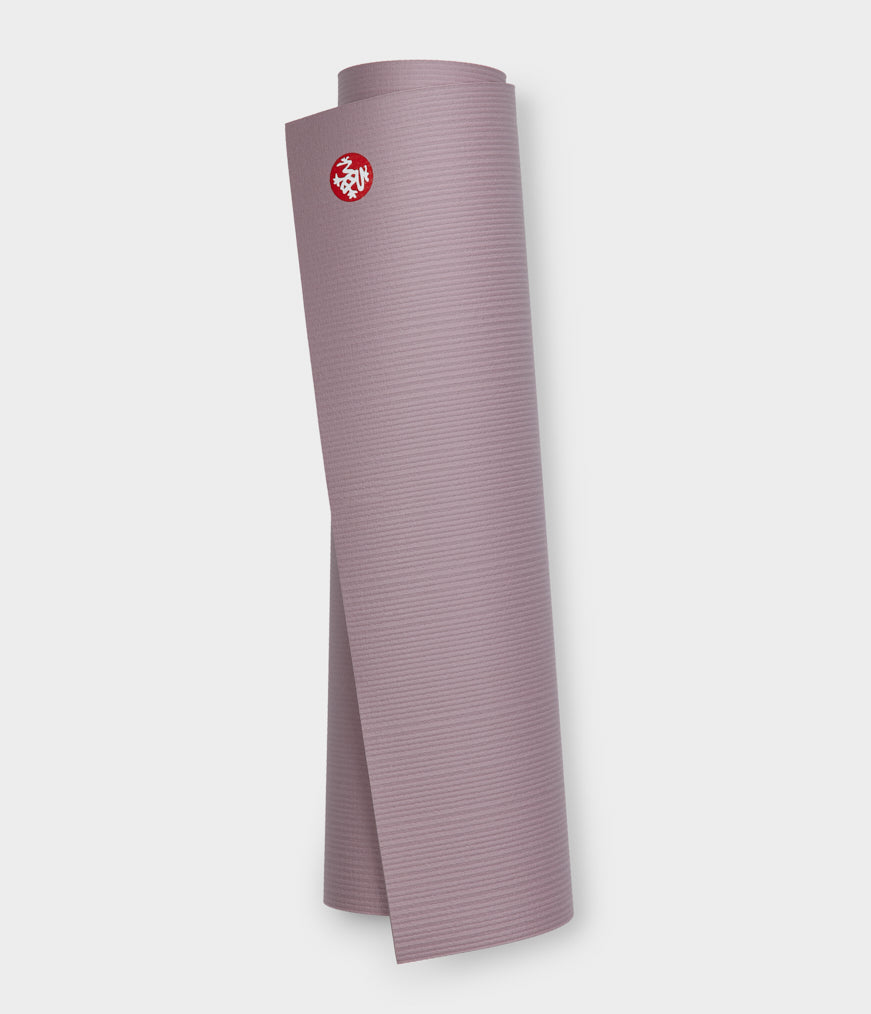
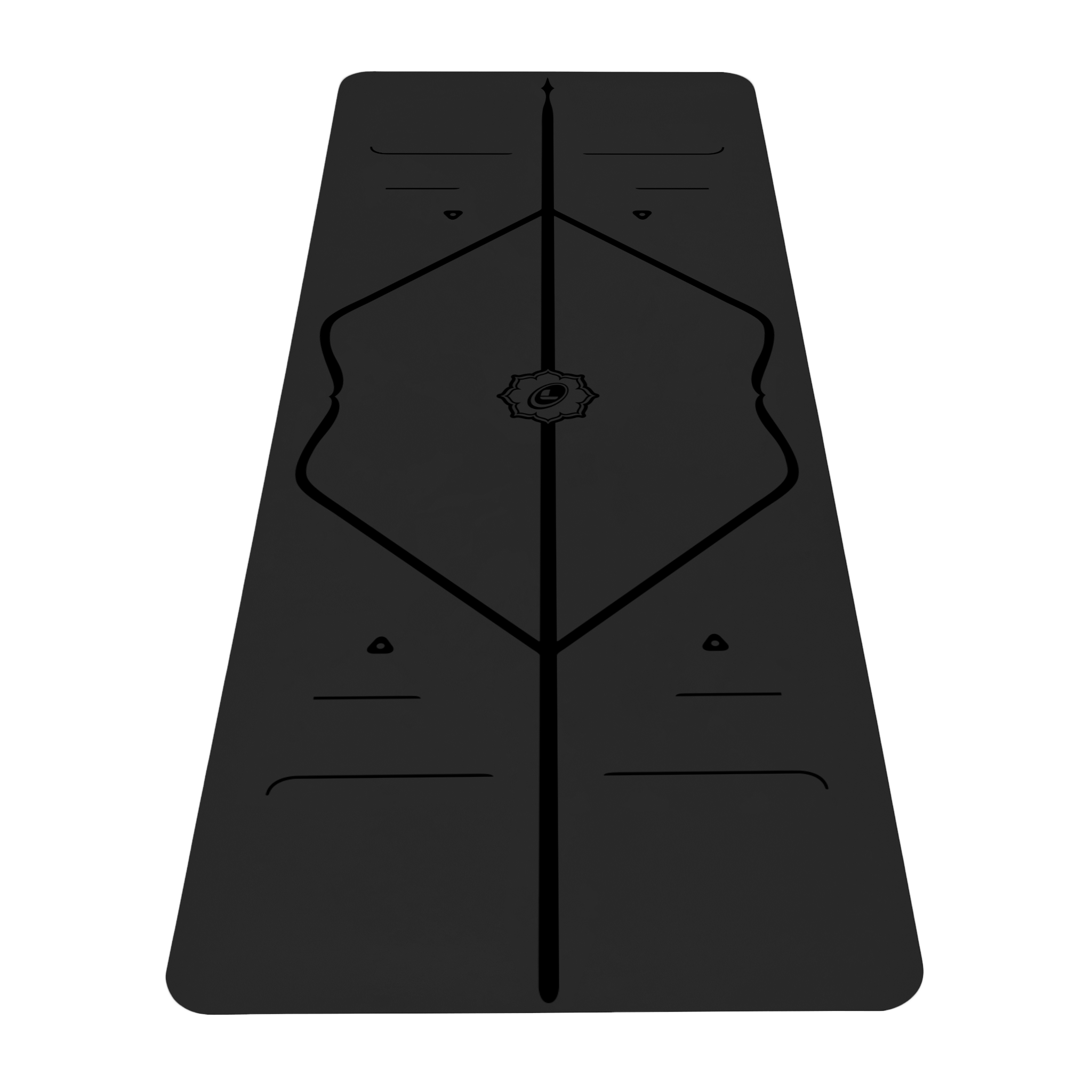
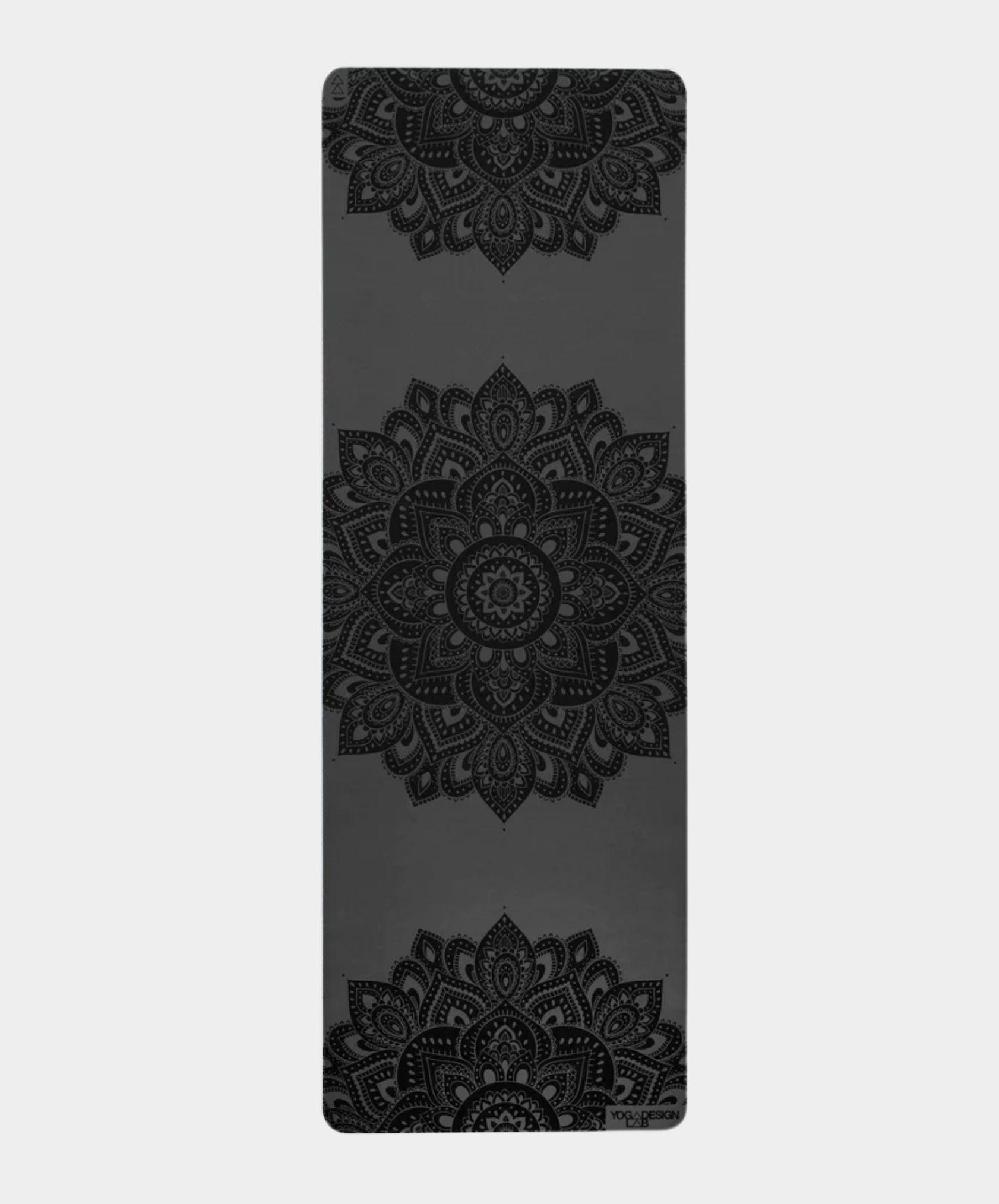
For most home practices, the Manduka PRO strikes the clearest balance of the three factors: a 6mm closed-cell PVC surface with floor-like stability and a lifetime guarantee, though it's heavier and pricier than a beginner mat needs to be. If natural-rubber grip and precise alignment markers matter more than raw cushioning, the Liforme Classic is the sharper pick. Two important notes on sourcing: lululemon's 'The Mat 5mm' and the Alo Yoga Warrior Mat were both on our original shortlist, but neither has a genuine, currently-stocked Amazon.com listing (lululemon does not sell through Amazon at all, and every Alo Warrior Mat listing we found was marked 'Currently unavailable'), so we substituted the Liforme Classic and the Yoga Design Lab Infinity Mat in those roles and say so plainly in each product's write-up. Budget shoppers should look at the Gaiam Premium 6mm, and eco-focused buyers who want made-in-USA natural rubber should look at JadeYoga's Harmony Mat.
Updated September 2026Advertising DisclosureTop Relevant
✓Carefully researchedProduct data reviewed
◇Independent picksClear comparison criteria
▣Practical resultsBuilt around real use cases
$Price & valueFeatures compared clearly
Buyer checklist
How We Compared These 5 Yoga Mats That Balance Grip, Cushioning and Stability
This is desk research, not a hands-on lab test: we pulled published specifications (material, thickness, dimensions, weight, surface construction) directly from each brand's own product page, cross-checked them against the live Amazon.com listing for the exact product, and noted anywhere the two sources described things differently. We did not unbox, unroll, or practice on any of these mats, so anything about how a surface feels underfoot is described in terms of documented material and texture, not a subjective grip or comfort rating. Two of the five original candidates turned out not to have a live, in-stock Amazon listing at all, and we explain the substitution logic for each inside that product's section rather than quietly swapping the product out.
5 Yoga Mats That Balance Grip, Cushioning and Stability Buying Questions
Is a thicker yoga mat automatically better for stability?
Not necessarily. A thicker mat (6mm and up, like the Manduka PRO or Gaiam Premium) cushions joints on hard floors, but too much thickness can make balance poses less stable because your foot sinks slightly into the surface. Thinner mats in the 3-4.2mm range, like the Liforme Classic, tend to feel more grounded for standing balance work at the cost of some joint padding.
What's the difference between closed-cell and open-cell yoga mat surfaces?
Closed-cell surfaces (PVC mats like the Manduka PRO and Gaiam Premium) don't absorb sweat or moisture, so they wipe clean easily but can feel slicker when very sweaty. Open-cell natural rubber surfaces (JadeYoga Harmony, and the rubber base of the Yoga Design Lab Infinity Mat) tend to grip better as they warm up and absorb a little moisture, but they need more careful cleaning and shouldn't be left in direct sunlight or soaked, per both brands' own care instructions.
Why isn't every mat from the original list included here?
We started with a five-mat shortlist that included lululemon's 'The Mat 5mm' and the Alo Yoga Warrior Mat. lululemon does not sell products through Amazon or any third-party marketplace as a matter of company policy, and every Alo Warrior Mat listing we checked on Amazon.com was marked 'Currently unavailable' with no restock date. Rather than recommend a mat you can't actually buy through the retailer this guide is built around, we substituted the Liforme Classic Yoga Mat and the Yoga Design Lab Infinity Mat, both of which fill a similar role and both of which we verified as live, in-stock Amazon listings.