 Product image from current catalog data
Product overview
Fujifilm Instax Mini 12: What to Know
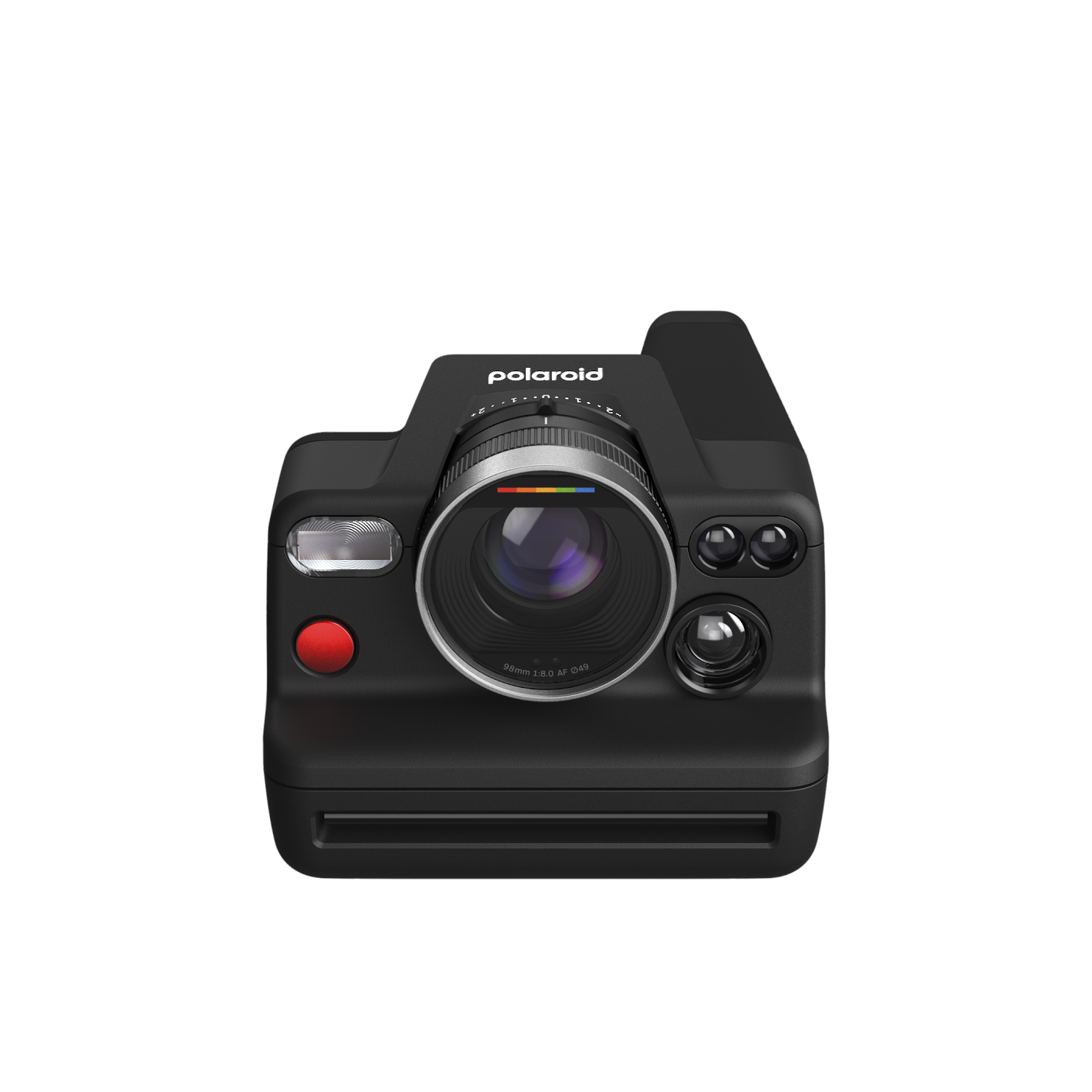
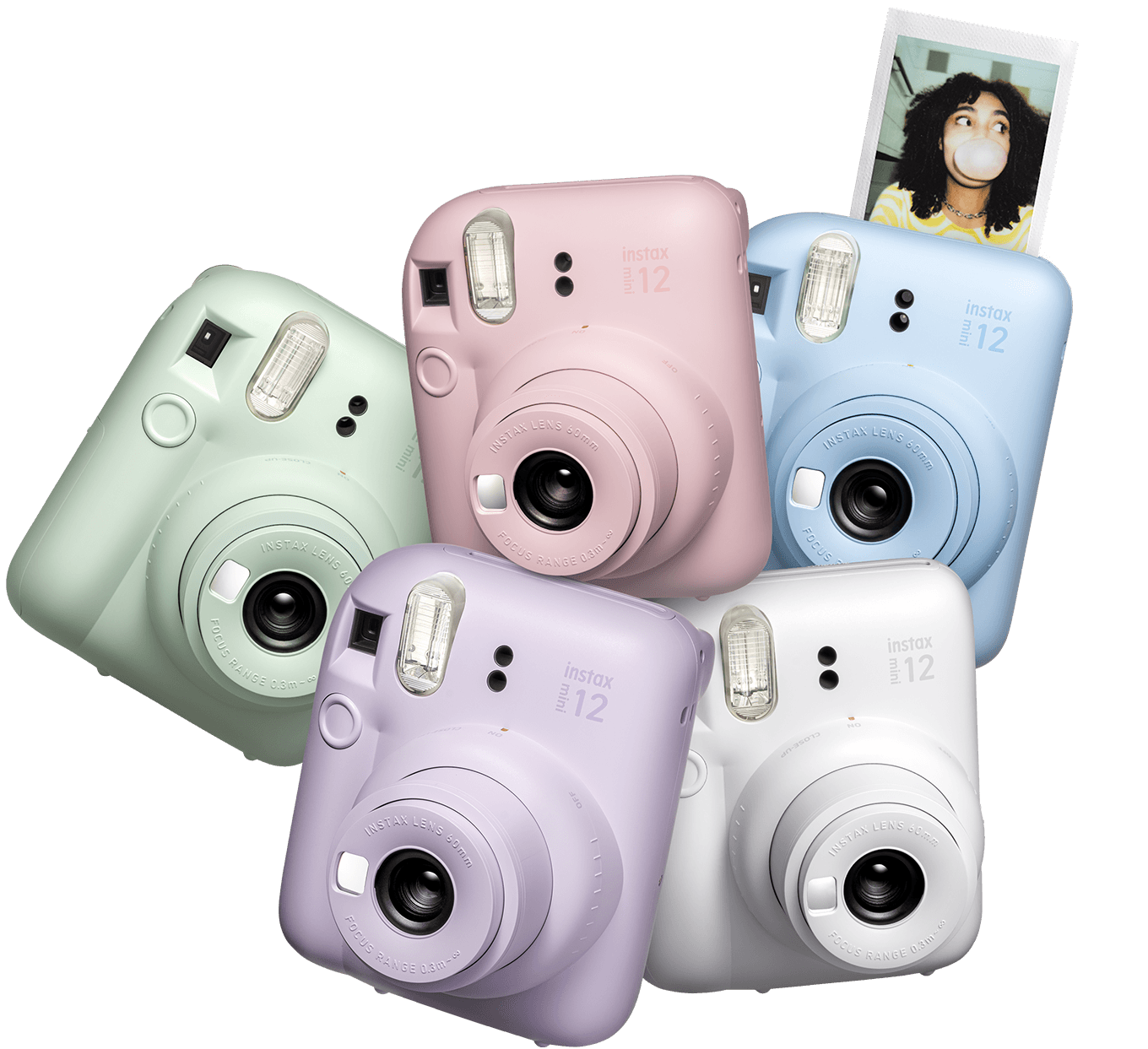
The Instax Mini 12 is a fully analog instant camera: there's no sensor, no screen, and no editing step between pressing the shutter and film sliding out. Fujifilm built it around automatic exposure metering and a built-in flash, so the camera reads the light and picks settings for you rather than offering the manual control found on the Polaroid I-2. A twist of the lens barrel switches into a close-up mode for selfies and tighter shots, paired with a small mirror next to the lens so you can frame yourself before shooting.
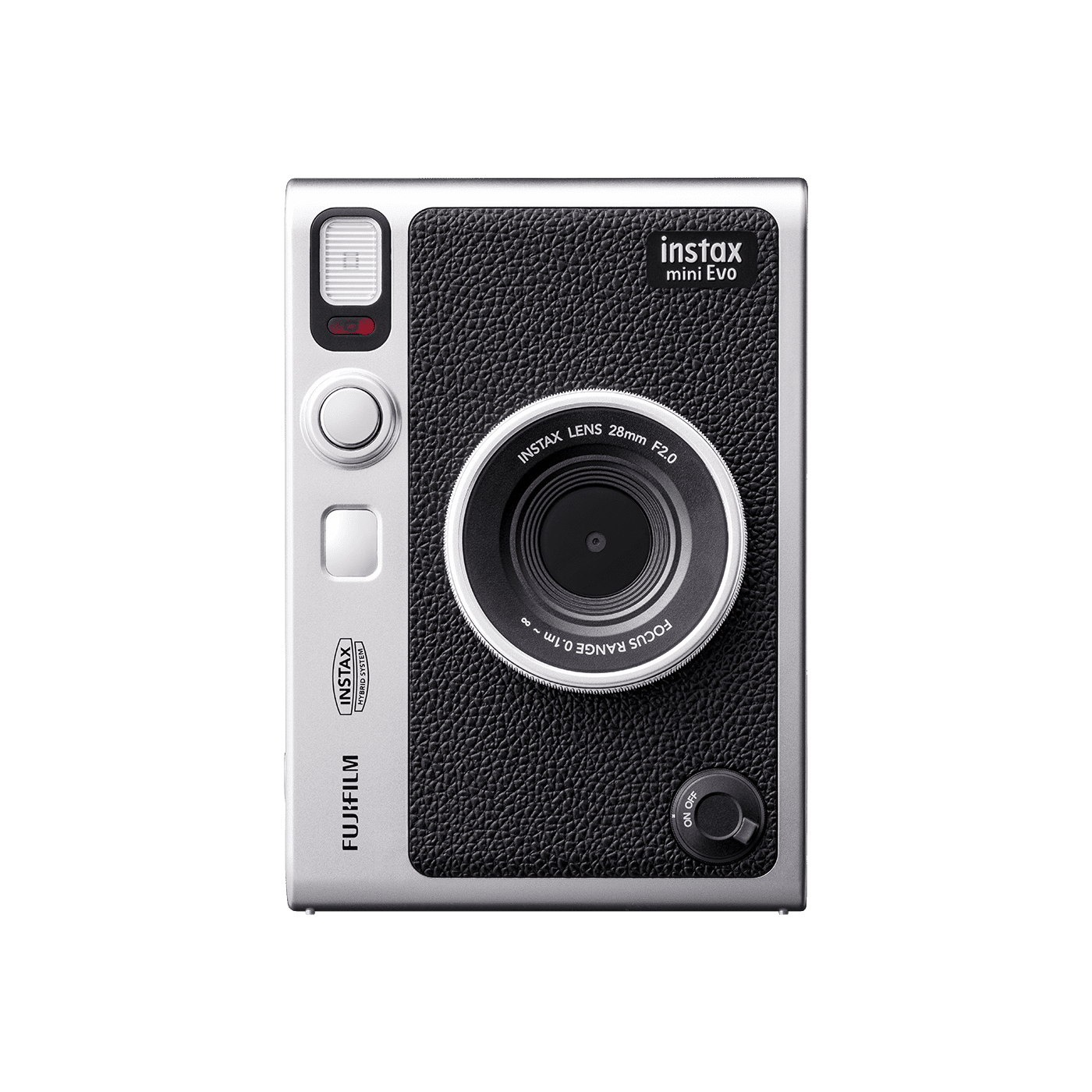
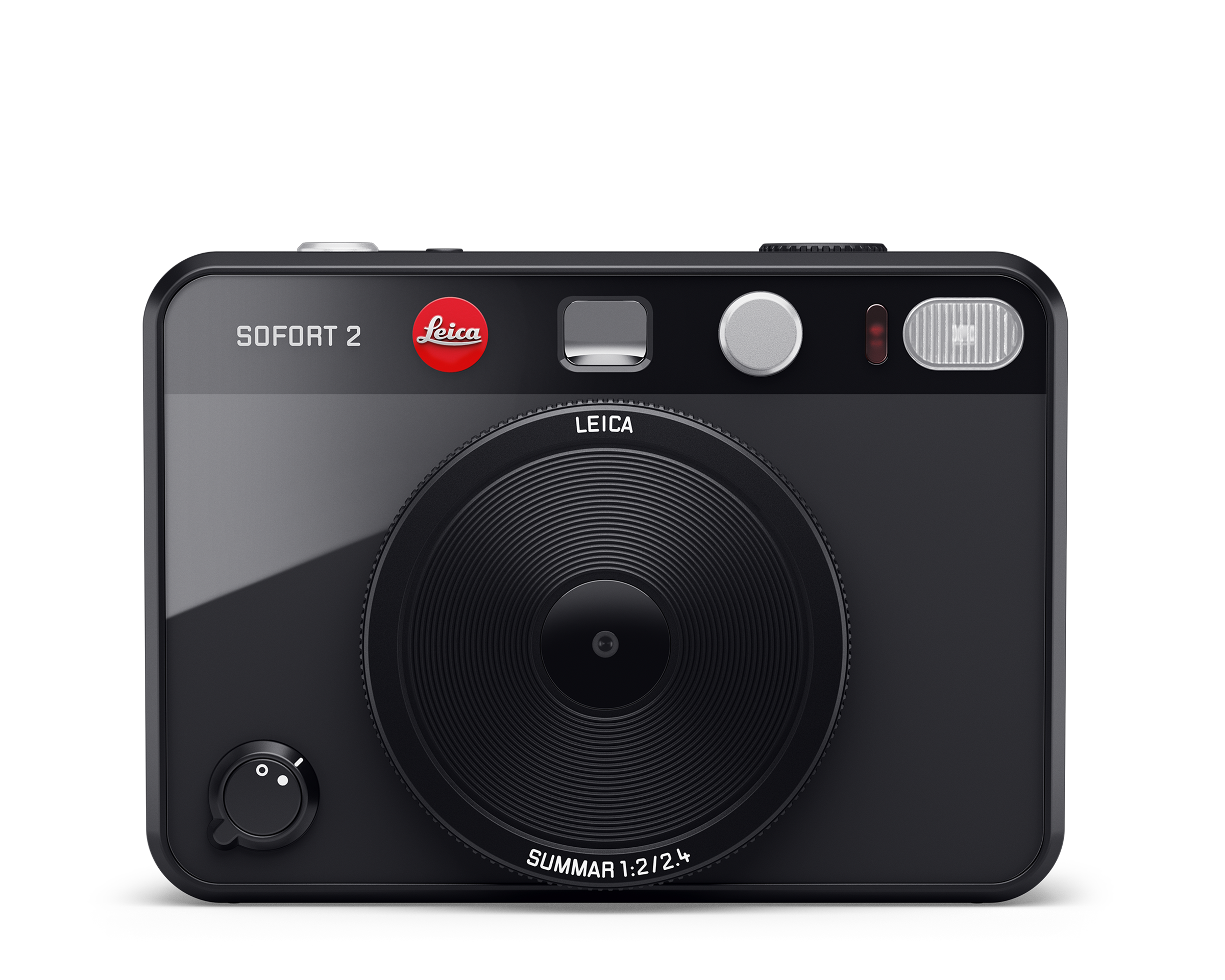
It uses Fujifilm's Instax Mini film format, the same 2x3-inch credit-card-sized print used by the Instax Mini Evo and the Leica Sofort 2 below, which is worth knowing if you're comparing running costs across this list. Film cost is the real budget line here: a standard 10-shot pack generally runs somewhere in the $10 to $18 range, which works out to roughly $1 to $1.80 per photo depending on where you buy and how many packs you buy at once, and larger multipacks bring the per-shot price down.
Power comes from two AA batteries rather than a rechargeable internal battery, a genuine tradeoff worth flagging honestly: on one hand you can swap in fresh AAs anywhere without hunting for a charger, on the other hand it's a step backward from the USB-C rechargeable batteries in the Mini Evo, Kodak Mini Shot 3 Retro, and Leica Sofort 2. Fujifilm rates a set of alkaline AAs for roughly 10 film packs' worth of shooting.
This specific listing is the Clay White colorway; the Mini 12 also ships in Mint Green, Pastel Blue, Blossom Pink, and Lilac Purple, so color is a real choice to make at checkout, not just a photo styling detail. Because there's no screen, no autofocus, and no way to preview or delete a shot before it prints, every photo you take costs actual film money, which is the main thing separating it from the hybrid cameras further down this list.
Key Listed Features
Fully analog: exposes real Instax Mini instant film on every shot, no digital sensor
Automatic exposure metering with built-in flash
Twist-lens close-up mode for selfies, plus a small selfie mirror
Runs on two AA batteries rather than a rechargeable pack