Buyer checklist
How We Compared These Wide Angle Lenses Across Four Mounts: Focal Length Alone Tells You Nothing
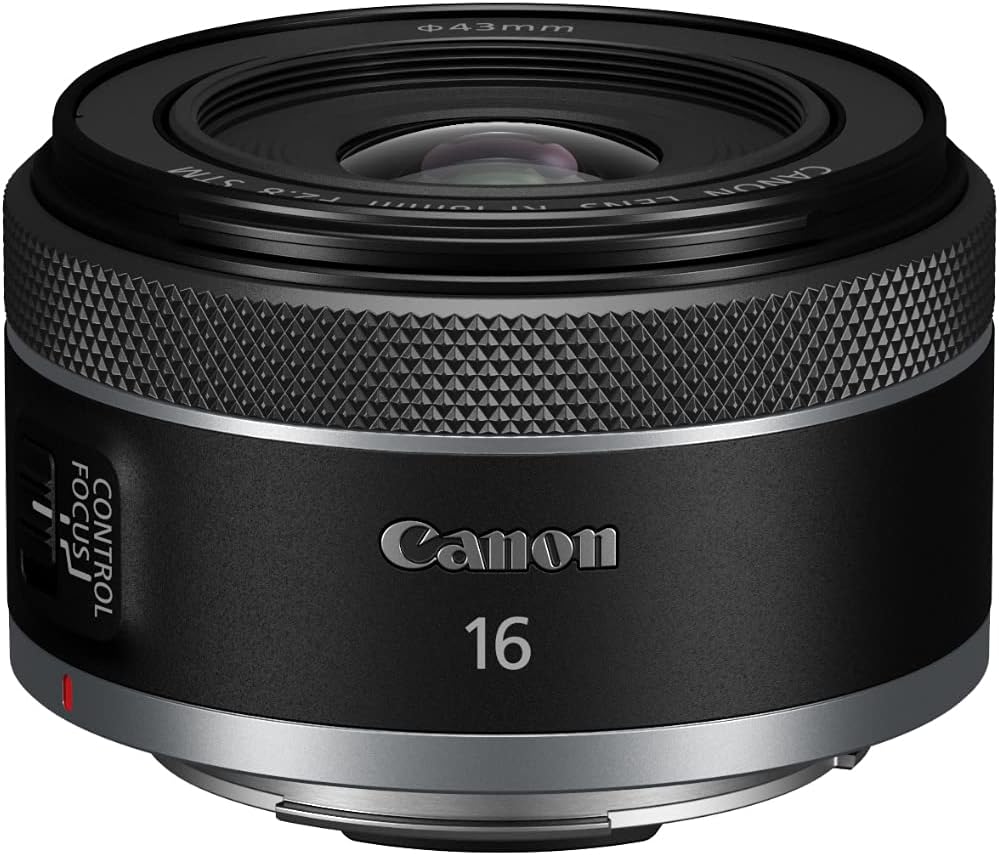
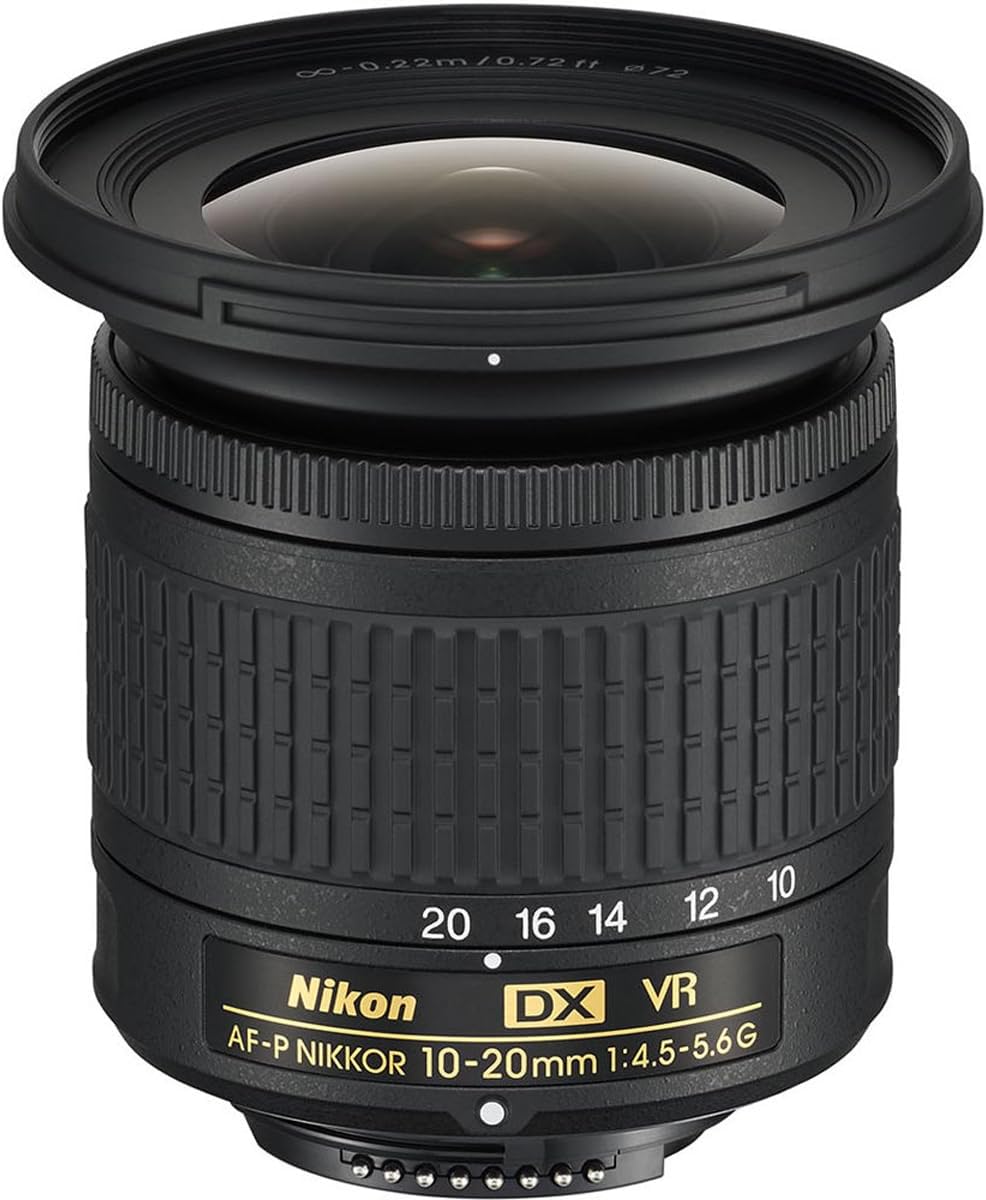
The organising principle here is cross-format comparison, because this is the one lens category where the marked focal length actively misleads. We converted every lens to its approximate full-frame equivalent using the published crop factor for its system, 1.6x for Canon APS-C, 1.5x for Nikon DX and Sony APS-C, and recorded the angle of view in degrees wherever the manufacturer publishes it, which only Rokinon and Nikon do. Everything else below, apertures, minimum focusing distances, stabilisation, weights and dimensions, is the manufacturer's own published figure read off the live Amazon.com listing. Four of these five lenses we have already examined in detail in our per-mount guides, and they appear here so the comparison across mounts is possible in one place. One thing worth stating plainly: there is no fifth figure we could use to rank these objectively, because a wide lens is bought for the camera you already own, which makes the mount the real filter.
Wide Angle Lenses Across Four Mounts: Focal Length Alone Tells You Nothing Buying Questions
Why does 10mm on one camera match 16mm on another?
Because the sensor decides how much of the projected image you actually record. A lens projects a circle of light; a full-frame sensor captures a large rectangle from it and an APS-C sensor a smaller one, cropping the edges away. Canon APS-C crops by 1.6x and Nikon and Sony APS-C by 1.5x, so a 10mm Canon APS-C lens frames like a 16mm on full frame and an 11mm Sony APS-C lens like a 16.5mm. That is why four of the five lenses here, despite being marked 10, 11, 16 and 10-20mm, all produce broadly similar framing on their own bodies.
Is a manual focus wide lens a problem?
Much less than it would be on a telephoto, which is why manual-focus ultra-wides remain popular. At 14mm and f/2.8 the depth of field is enormous, so focusing at a few metres puts everything from roughly a metre to infinity acceptably sharp, and you can often set the lens once and leave it. That is why the Rokinon is a standard choice for landscape, architecture and astrophotography, where you focus at infinity and do not touch it again. Where it hurts is anything moving or close, and in video where a focus pull is needed.
Which of these is best for astrophotography?
The Sony E 11mm f/1.8 on aperture, and the Rokinon 14mm f/2.8 on field of view, and the choice depends on which you need more. Astro photography wants the widest possible aperture to gather faint light and the widest possible angle to capture sky, and these two optimise different halves of that. F/1.8 is roughly 1.3 stops faster than f/2.8, which is significant. 115.7 degrees is considerably wider than 16mm equivalent framing. If you shoot Sony APS-C, the 11mm is the better all-round answer; for a Canon DSLR the Rokinon is the specialist tool.