Buyer checklist
How We Compared These Clip-On Phone Lenses: The Mount Decides Everything, Including Whether It Works At All
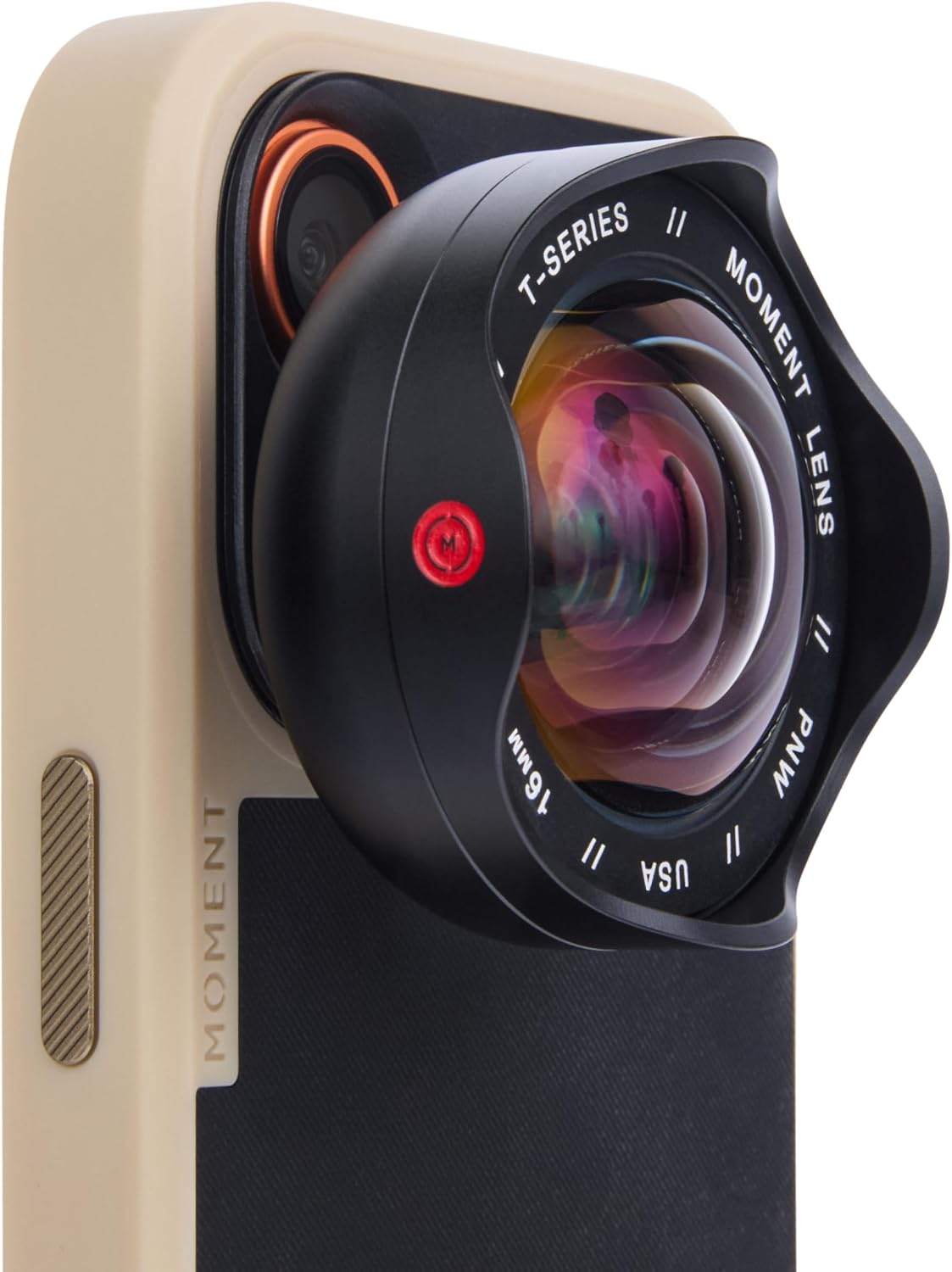
We read all four listings off the live Amazon.com pages including their detail tables, and the organising spec turned out to be mechanical rather than optical. There are three incompatible mounting systems in this group: a proprietary bayonet that requires a specific case, a 17 mm screw thread that requires a threaded case or cage, and a spring clip that fits anything. That determines whether the lens physically attaches, and it is buried in bullet four or five on most listings. We also found a naming discrepancy inside the Moment listing, where the product is sold as a 16 mm lens and its own bullets and detail table describe an 18 mm field of view, and we have reported it rather than picking one. Two of these brands, Moment and NEEWER, publish real optical construction detail and real limitations; Xenvo and KEYWING are listing-only sources. Credit where due: KEYWING and NEEWER both document their own product's weaknesses in their bullets, which is rare enough to be worth saying. Nothing here was clipped to a phone or shot through by us.
Clip-On Phone Lenses: The Mount Decides Everything, Including Whether It Works At All Buying Questions
Which mount should I choose?
Work backwards from whether you want to carry a case. A universal spring clip, as on the Xenvo and KEYWING kits, fits any phone and needs nothing else, but it is positioned by eye every time and it generally wants the case off, which the KEYWING listing says outright. A 17 mm thread, as on the NEEWER, screws in solidly and repeatably but needs a case, cage or backplate with that thread. A proprietary bayonet like Moment's is the most precise and the most committing: you buy into that brand's case system and the lens is useless without it. For occasional use, clip. For video you will do repeatedly, thread or bayonet.
Will a clip-on lens work over my phone case?
Usually badly, and KEYWING is the only brand here that says so plainly, advising not to use a case for best effect. The problem is standoff distance: a case raises the clip so the add-on lens sits further from the phone's own lens, which produces vignetting, the dark circular corners that make a photo look like it was taken through a tube. Thinner cases are more forgiving than thick ones. If you will not take the case off, a threaded case or a bayonet system is the better route, because both are designed to position the lens at the right distance with a case on.
Why do add-on lenses sometimes only work on one of my phone's cameras?
Because a modern phone has several physical cameras and the add-on only covers one of them. KEYWING's listing warns against using the zoom function, because on most phones zooming switches to a different physical camera that your clip is not sitting over, so the add-on lens is suddenly covering nothing. NEEWER's covers the same ground from the other direction, telling iPhone users to disable macro and stay on the wide camera. The practical rule with any of these: lock the phone to its main wide camera and do not pinch to zoom.