TopFiveFind may earn from qualifying purchases. Rankings are editorial starting points, not hands-on test claims.
Home/Vacuum Sealers/Canon EOS R100 Mirrorless Camera with RF-S 18-45mm Lens Bundle | For Beginners | 24.1MP APS-C Mirrorless Camera
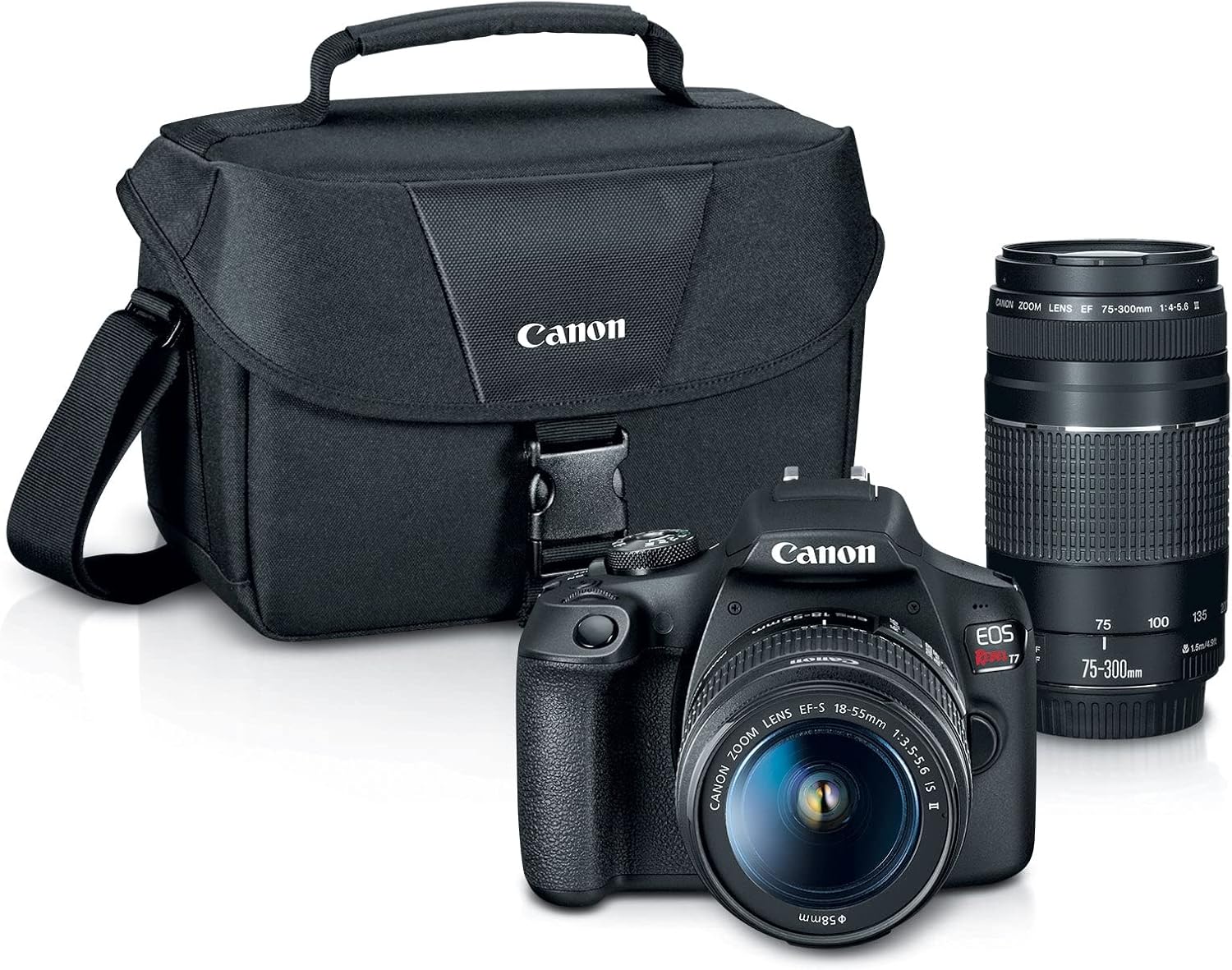
Canon EOS R100 Mirrorless Camera with RF-S 18-45mm Lens Bundle | For Beginners | 24.1MP APS-C Mirrorless CameraProduct image from current catalog data
Best Entry to a Current Mount

Canon EOS R100 Mirrorless Camera with RF-S 18-45mm Lens Bundle | For Beginners | 24.1MP APS-C Mirrorless Camera

By Canon

9.4Excellent matchFeature and use-case score

The cheapest way into Canon's current RF mount, with Dual Pixel CMOS AF across 143 zones, and one compromise stated plainly: the 4K is 24p with a crop.

  • Canon RF mount, the system Canon is currently developing, with the RF-S 18-45mm f/4.5-6.3 IS ...
  • Dual Pixel CMOS AF with 143 autofocus zones, derived from Canon's higher-end bodies
  • 24-megapixel APS-C sensor with DIGIC 8 processor and 6.5fps burst shooting
See Price at the store →Price, delivery, and configuration can change at the retailer.
ByTopFiveFind Research Desk

How this was made: AI-assisted research and drafting organize the evidence. Exact product identity, source claims, owner-feedback patterns, conflicts, and publication checks are documented before indexing. No hands-on or human-expert testing is claimed unless a page explicitly shows that evidence. Read the full methodology.

Best fitBest Entry to a Current Mount
CategoryVacuum Sealers
BrandCanon
Catalog score9.4 / 10

Product overview

Canon EOS R100 with RF-S 18-45mm: What to Know

The strategic argument for this kit is the mount. Canon's RF system is the one it is actively developing, so lenses bought now carry forward, which is not true of the EF-S lenses in the Rebel T7 kit further down this page. For a beginner spending money on glass for the first time, that matters more than any single specification.

The autofocus is the camera's real strength. Canon's Dual Pixel CMOS AF with 143 autofocus zones is derived from the same technology as its much more expensive bodies, and it tracks people reliably, which is what a beginner camera is mostly pointed at. The sensor is APS-C at 24 megapixels, with the DIGIC 8 processor and 6.5 frames per second burst shooting.

The lens included is the Canon RF-S 18-45mm f/4.5-6.3 IS STM, which Canon describes as a general-purpose zoom. It has image stabilisation and a stepping motor for quiet video focus. Note the RF-S designation: it is an APS-C lens, so if you later move to a full-frame EOS R body it will trigger automatic crop mode.

The video specification is where you pay for the price, and the listing is honest about it: 4K at 24p with a crop, plus Full HD at 60p. A cropped 4K means the camera uses only part of the sensor, so your 18mm lens behaves as a narrower one in 4K, which is awkward for vlogging. The Nikon Z50 II at the top of this page does uncropped 4K 60p and is the better video choice.

One listing inconsistency: the headline and one bullet say 24.1 megapixels while another says 24.2. The difference is immaterial but it is a reminder to read these listings carefully.

Key Listed Features

01

Canon RF mount, the system Canon is currently developing, with the RF-S 18-45mm f/4.5-6.3 IS STM lens included

02

Dual Pixel CMOS AF with 143 autofocus zones, derived from Canon's higher-end bodies

03

24-megapixel APS-C sensor with DIGIC 8 processor and 6.5fps burst shooting

04

4K 24p video with a crop, plus Full HD 60p, which is the compromise at this price

Buying questions

Quick Answers

What does cropped 4K mean in practice?

The camera records 4K using only a central portion of its sensor, so the field of view narrows. An 18mm lens that frames a room in stills might frame considerably less of it in 4K, which matters most for vlogging at arm's length and for interiors. The workaround is to shoot Full HD 60p, which uses the full sensor width, or to use a wider lens for 4K. It is the normal compromise at this price and the Nikon Z50 II here is the kit that does not make it.

Is the R100 enough camera to learn on?

Yes, with one caveat about controls rather than image quality. The sensor, processor and autofocus are all capable of good photographs, and Dual Pixel AF in particular is a genuinely advanced system to be learning with. The R100 is a simplified body, so it has fewer physical dials and no articulating screen, which means you will be in menus more than on a more expensive camera. That slows learning slightly but does not limit the results.