Portable AC Guide: Verified BTU Ratings & Real Picks
We checked manufacturer specs, retailer listings, and independent test data on five current dual-hose portable air conditioners to separate real BTU numbers from marketing ones.
Quick answer
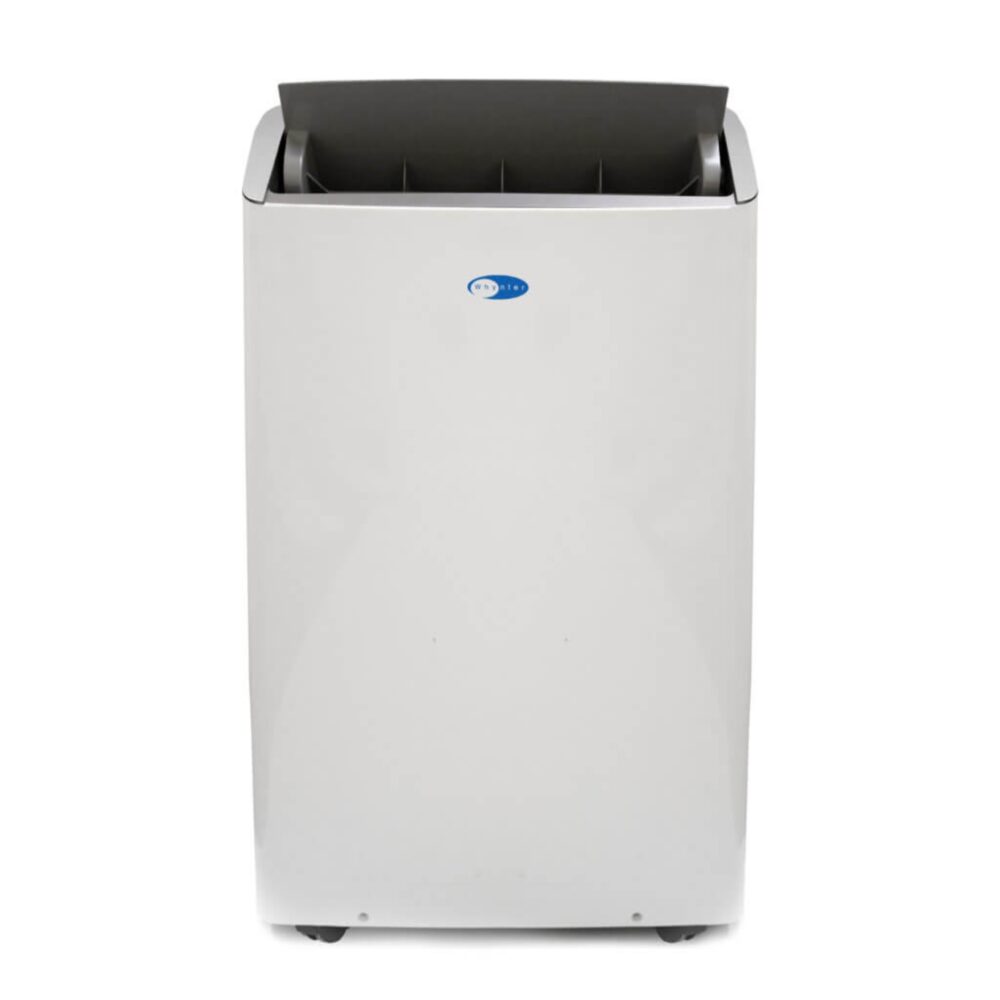
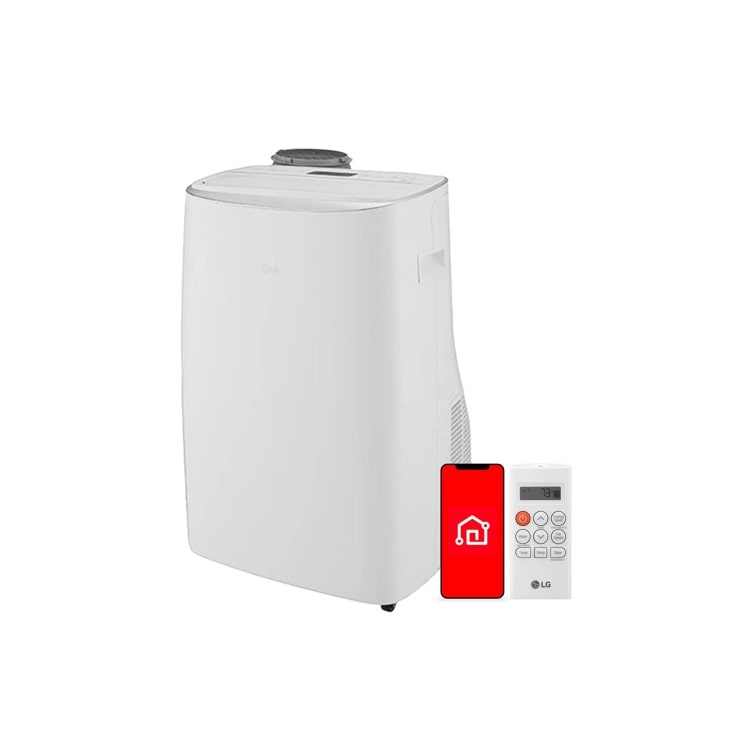
Of the five units here, the Whynter NEX ARC-1230WN is the strongest overall pick: it carries the highest confirmed SACC BTU rating (12,000) paired with the largest self-reported coverage area (600 sq ft), a genuinely high 87-pint-per-day dehumidification spec, and a full independent RTINGS test report you can check against Whynter's own numbers. Its tradeoff is real too, fan noise climbs from a quiet 42.5 dB on low to 56.5 dB on high, so it's not whisper-quiet at full output. The Midea Duo MAP14S1TBL-A sits right behind it on SACC capacity (also 12,000) in a smaller footprint and is worth a look if you want the option to step up to Midea's heat-pump sibling later. The GE and LG picks make sense mainly if you're already inside the SmartHQ or ThinQ ecosystems, and the Hisense is the right call only for a genuinely small room, since its 8,000 BTU DOE/SACC rating is the smallest of the group.
Updated September 2026Advertising DisclosureTop Relevant
✓Carefully researchedProduct data reviewed
◇Independent picksClear comparison criteria
▣Practical resultsBuilt around real use cases
$Price & valueFeatures compared clearly
Buyer checklist
How We Compared These Portable Air Conditioners That Live Up to Their BTU Claims
We compared manufacturer spec pages, retailer listings (Amazon, Home Depot, Best Buy), and independent test data from RTINGS and Consumer Reports for BTU ratings under both the older ASHRAE standard and the more realistic DOE/SACC standard, plus hose configuration, coverage claims, and documented noise levels. Two of the originally drafted candidates, GE's PPHH12WWF and LG's LP1025WHSM, turned out to be discontinued or not sold on Amazon, so we substituted the closest current-generation dual-hose models from the same manufacturers (GE PPHV10WWF and LG LP1419IVSM) rather than force a dead SKU into the list. Nothing here reflects hands-on testing; conclusions are based on published specifications and third-party review data only, and we flag it explicitly wherever manufacturer materials disagreed with retailer or review-site data.
Portable Air Conditioners That Live Up to Their BTU Claims Buying Questions
Why do two portable ACs with the same BTU rating cool very differently sized rooms?
The published sq-ft coverage number isn't a physics law, it's each manufacturer's own estimate, and manufacturers use different assumptions about ceiling height, insulation, window count, sun exposure, and climate humidity when they calculate it. The SACC test itself is run under standardized lab conditions, but a sunny, poorly insulated room will always cool worse than a shaded, well-sealed one at the identical BTU rating. Treat any manufacturer's sq-ft figure as a rough starting point, not a guarantee, especially if your room has large windows or high ceilings.
Is a dual-hose unit actually worth the extra size and cost over a single-hose model?
In most cases, yes, if the room is large, the climate is hot and humid, or the space isn't well sealed. Single-hose units exhaust room air without replacing it, which pulls a partial vacuum that draws warm, humid air back in through door gaps, window frames, and other leaks, independent testing has found this can cut effective cooling by roughly 20-40% versus the unit's rated capacity. Dual-hose units draw their intake air from outside instead of from the room, so they don't create that vacuum. For a small, tightly sealed room in a mild climate the gap matters less, and a single-hose unit's smaller footprint can be the more practical tradeoff.
Does venting through a window really matter that much?
Yes. Every unit in this guide is an exhaust-vented design, not a fully sealed, ventless one, so the quality of the window kit's seal directly affects real-world efficiency. A gappy or improvised seal reintroduces the same warm-air infiltration problem that dual-hose designs are built to avoid, and a longer or kinked exhaust hose run can also reduce airflow and cooling output versus the short, straight run manufacturers use in their own testing.